Research Residencies in Germany
12 residencies for research artists in Germany.
Browse real reviews from artists who attended research programs in Germany. Find the right residency for your practice.
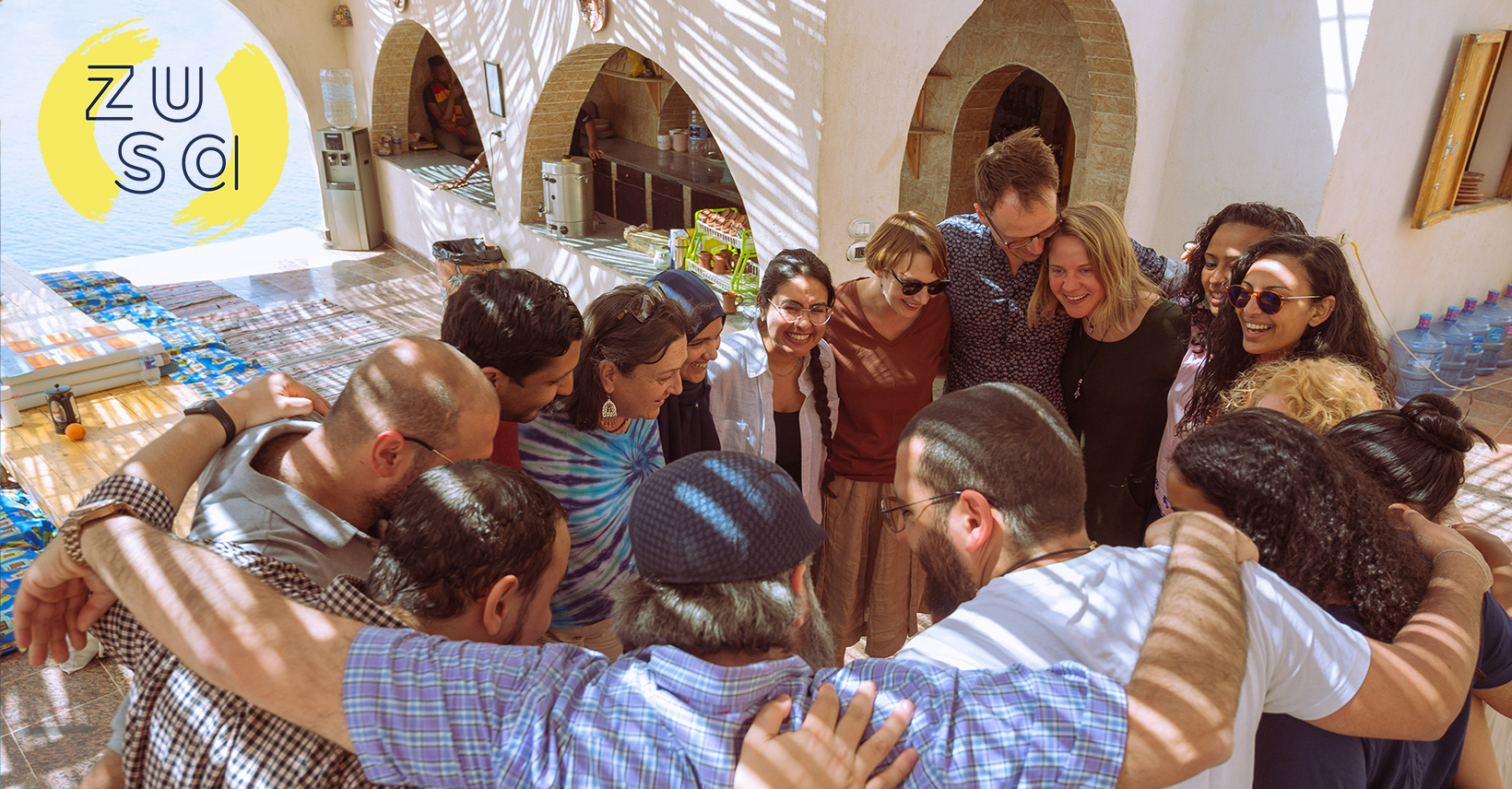
AiR zusa
Berlin, Germany
AiR zusa is a non-product-oriented residency program in Berlin designed to provide artists, cultural managers, curators, and arts and culture activists from Ukraine and other countries at risk with a safer space for rest, mental health support, and professional resilience-building. The program emphasizes process, self-reflection, and personal growth rather than artistic output, offering participants time to heal and reconnect with local and international cultural networks.
American Academy in Berlin
BERLIN, Germany
The American Academy in Berlin is a private, nonprofit institution offering semester-long residential fellowships to American scholars, artists, writers, composers, and journalists for advanced independent research and creative work in the arts, humanities, social sciences, and public policy. Fellows reside at the Hans Arnhold Center on Lake Wannsee and engage in transatlantic dialogue through public lectures, readings, performances, and discussions.
Atelierhaus Hilmsen
Wallstawe OT Hilmsen, Germany
Atelierhaus Hilmsen is an artist residency program in Wallstawe OT Hilmsen, Germany, supporting the education and professional development of artists and scholars from around the world through partnerships with international institutions, emphasizing arts and humanities. Residents work in complete freedom for an intensive three-week period in spacious studios, fostering diversity, cultural understanding, and spontaneous collaborations amid a wondrous environment. Founded by artist Hans Molzberger in 1993, it offers facilities like painting studios, sculpture yards, housing, and post-residency opportunities such as exhibitions.
Cultural Vistas
Berlin, Germany
The Cultural Vistas Climate Action Artist Residencies program invites artists from Germany and V20 countries (Philippines, Fiji, Samoa) for three-month residencies with environmental research organizations in Germany or the selected V20 countries to explore climate crisis impacts through art and science collaboration. Artists freely choose their medium and work with host institutions to create projects highlighting vulnerabilities in host and home countries, with results showcased in international exhibitions. The program, funded by the German Federal Foreign Office, provides stipends, travel funding up to 4,000 EUR, and production support up to 10,000 EUR.
Hydromedia Seeing With Water
Karlsruhe, Germany
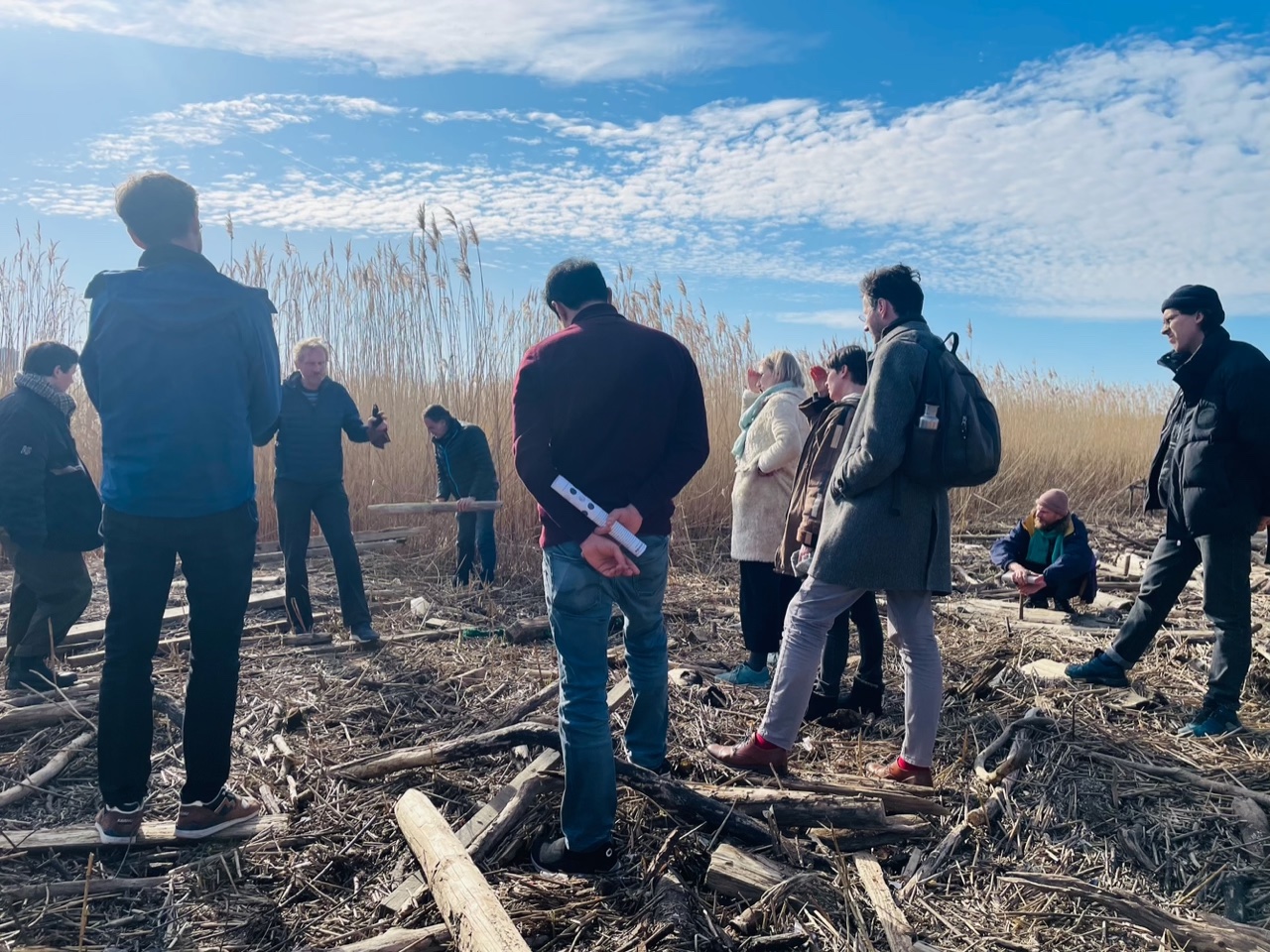
Hydromedia: Seeing With Water is an artist residency program hosted by the University of Arts and Design (HfG) Karlsruhe, inviting established artists and designers to develop innovative tools rethinking human-nature relationships, particularly around water management and global warming, through site-specific work in the Upper Rhine area. The one-month residency in April provided access to HfG workshops, partnerships with NABU, ZKM, and KIT, followed by local exhibitions in Karlsruhe and Dresden. It is part of a larger EU Creative Europe project (-) with residencies at three institutes, each hosting four artists to create experimental methods for ecological water engagement, culminating in a group show.
Kultur einer Digitalstadt e.V.
Darmstadt, Germany
Kultur einer Digitalstadt e.V. is a platform in Darmstadt, Germany, for artistic research, interdisciplinary discussions, and cultural networking in the digital city context, offering artist residencies at the studio house Ludwig-Engel-Weg 1 on Rosenhöhe. Their Artist-in-Science-Residence (AiSR) program provides 6-week stays linked to collaborations with research institutes like hessian.AI, GSI Helmholtzzentrum, and ESOC, open to artists of all disciplines. Residencies typically include housing, a studio, stipend, and opportunities for exhibitions and public engagement.
Kulturstiftung Schloss Wiepersdorf
Niederer Fläming, Germany
The Kulturstiftung Schloss Wiepersdorf offers an international and interdisciplinary residency program for individual artists, writers, scholars, and groups at Schloss Wiepersdorf, a castle in rural Brandenburg, Germany, about 75 km south of Berlin. Fellows receive free room and board, a monthly stipend of €1200, and a €480 material grant, with stays typically lasting 1-3 months (often three months in spring, summer, or fall periods). The program supports fields like literature, visual arts, composition, and research, providing studios, ateliers, conference rooms, and opportunities for presentations and networking.

Kunst Asyl
Quedlinburg, Germany
Kunst Asyl is an artist residency program in Quedlinburg, Germany, founded in by Armenian artist and curator Narine Zolyan, offering artists the opportunity to work in the UNESCO World Heritage City while focusing on themes of global integration, universal human values, and local history related to 'After the Wall against the Border'. It provides ready-to-move-in accommodations with kitchen, toilet, and shower, plus a 20 square meter studio, at a cost of 220 euros per week, aiming to foster a 'Culture-Integration-Dialogue' between artists from Europe and beyond, with partners in Russia and Armenia.
SAVVY Contemporary Residency
Berlin, Germany
The SAVVY Contemporary Residency in Berlin hosts national and international curators, artists, writers, thinkers, researchers, and cultural professionals for periods of at least 3 months, challenging residents to engage with Berlin’s socio-political context and explore trans-disciplinary issues beyond geographical constraints. Residents work from premises in a former power plant in Neukölln, offering workshops, seminars, or lectures, with accommodation in private rooms in a shared flat 500m away, though no production studios are available. The program emphasizes decolonial practices, public-oriented research, and topics like Afro-Pacific affinities and innovative exhibition-making, often through partnerships like REFLEKT for practitioners from Southeast Asia.

Technische Universität Dresden
Dresden, Germany
The Technische Universität Dresden (TUD) hosts artist residencies through the S+T+ARTS program, offered by the Office for Academic Heritage, Scientific and Art Collections, focusing on interdisciplinary topics like Modelling the Mind, Exploring Human-AI Relationships, and Exploring the Physics of Life in collaboration with TUD's labs. These residencies provide up to €40,000 funding per project, expert support, on-site kick-off meetings, and monitoring, targeting individual artists, collectives, or doctoral researchers.

The Potsdam Institute for Climate Impact Research (PIK)
BERLIN, Germany
The Potsdam Institute for Climate Impact Research (PIK) in Potsdam, Germany, hosts an artist residency program since , providing artists with studio space in the historic Kleiner Fotorefraktor building, accommodations in Potsdam, and a stipend paid in three monthly installments. Selected by the Berliner Künstlerprogramm des DAAD, Potsdam Town, and PIK, residents integrate into the PIK community to foster interdisciplinary exchanges between artists and climate researchers on global sustainability. Note that a distinct 'Planetary Transitions' residency exists at the nearby RIFS Potsdam, not PIK.

ZKM Center for Art and Media
Karlsruhe, Germany
The ZKM | Center for Art and Media in Karlsruhe, Germany, hosts various artist residencies focused on media art, digital technologies, performative art, and interdisciplinary practices, often in collaboration with international partners. Programs like the Rauschenberg Residencies, Web Residencies, and specialized calls for machine learning or videopoetry artists provide opportunities for research, production, and experimentation at their Hertz-Lab facilities. Residencies typically last from four weeks to three months and offer stipends, housing, and access to advanced technological resources.
Other disciplines in Germany
Research residencies elsewhere
Attended a research residency in Germany?
Share your review